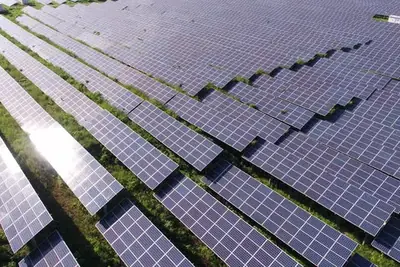
Solar
Module defects, bypass diodes and disconnected strings, located down to the module (hot spots in thermal imaging).
Autonomous inspection
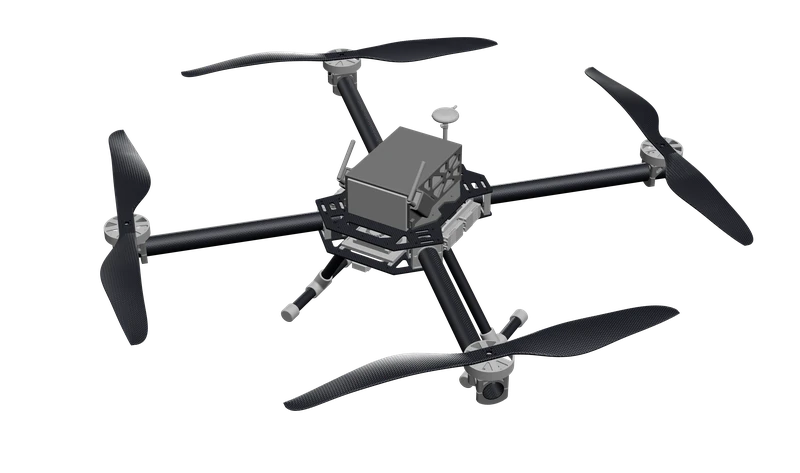
Horus inspects solar farms, pipelines and mining sites in autonomous flight. Your teams get a precise report, not hours of video.
Horus I
Module defects, bypass diodes and disconnected strings, located down to the module (hot spots in thermal imaging).
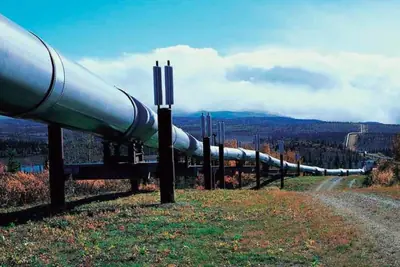
Leaks and insulation defects spotted along long routes, with no crew exposed.
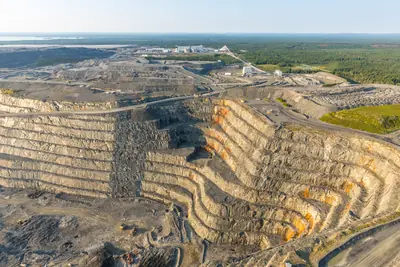
Conveyors, motors and electrical equipment monitored to catch anomalies, such as overheating, before they cause downtime.
Photo: Canadian Malartic
Flight path generated from the site plan, compliant with Transport Canada rules.
Horus I covers the site autonomously and continuously records data from its payload.
Anomalies classified and georeferenced: your teams know where to go.
Theoretical per-flight estimates with the thermal payload, based on the 85 min target endurance and ideal conditions.